

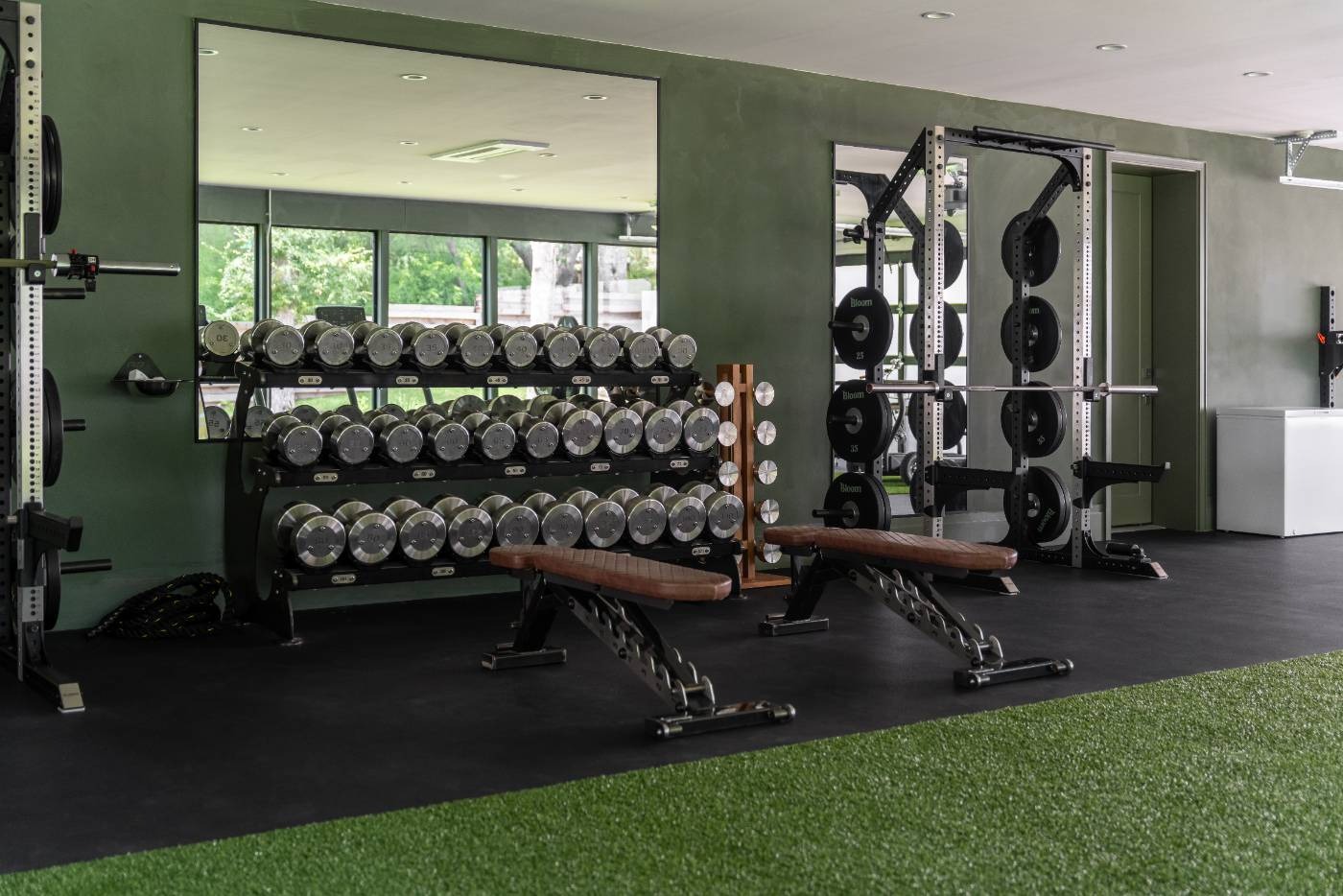
Creating a successful fitness space is about much more than filling a room with exercise equipment. A well-planned gym encourages motivation, improves safety, increases efficiency, and delivers an enjoyable workout experience for every user. Whether you are opening a commercial fitness center or building a personal workout area at home, thoughtful planning can make a significant difference in the final result.When it comes to creating functional and visually appealing fitness spaces, SPX Gym Design focuses on combining innovation, performance, and practical planning. Every project is designed with the user’s goals, available space, and future growth in mind. A carefully designed fitness environment not only enhances workouts but also helps maximize the value of your investment.
Why Gym Design Matters More Than Ever
Modern fitness enthusiasts expect more than rows of machines. They want organized spaces that are comfortable, motivating, and easy to navigate. A smart gym layout allows members to move naturally between workout zones while reducing congestion and improving overall safety.Good gym planning also helps owners maximize available floor space. Instead of overcrowding equipment, designers create balanced layouts that provide enough room for movement while maintaining an attractive appearance.For homeowners, an intelligently planned workout area makes it easier to stay consistent with fitness goals. Even compact spaces can become highly effective home gyms with the right design strategy.
Planning a Gym Around User Needs
Every fitness facility serves a unique audience. Some gyms focus on strength training, while others emphasize functional fitness, cardio workouts, rehabilitation, or group exercise. Understanding these goals before beginning the design process helps create a space that truly supports users.Commercial facilities often require dedicated zones for free weights, resistance machines, cardio equipment, stretching, and recovery. Home gyms, on the other hand, may prioritize versatility by selecting equipment that supports multiple workout styles without occupying excessive space.Planning around user behavior results in a smoother workout experience and increases long-term satisfaction.
Making the Most of Available Space
Space planning is one of the most valuable aspects of professional gym development. Every square foot should serve a purpose without making the environment feel crowded.Equipment placement should allow comfortable movement between workout stations while leaving adequate clearance for safe exercise. Designers also consider storage areas, walkways, emergency exits, and accessibility requirements.Proper organization creates an environment that feels open, welcoming, and efficient regardless of the gym’s size.
Choosing the Right Equipment Layout
Selecting quality equipment is important, but arranging it properly is equally critical. Machines should be positioned according to workout flow rather than simply filling empty spaces.Cardio equipment often works well near windows or entertainment systems where users spend extended periods. Strength training areas should provide enough room for lifting safely, while functional training zones benefit from open layouts that accommodate dynamic movements.A thoughtful equipment arrangement minimizes waiting times and creates a better overall experience for members.
Lighting Creates Energy and Motivation
Lighting significantly influences how people feel while exercising. Bright, evenly distributed lighting improves visibility, boosts energy levels, and enhances safety.Natural light is particularly valuable because it creates an inviting atmosphere and reduces dependence on artificial lighting during the day. When natural light is limited, layered lighting solutions can maintain brightness without causing glare.Proper illumination also highlights the gym’s design features and creates an environment that feels clean and professional.
Flooring Plays a Bigger Role Than Many Realize
Gym flooring affects comfort, durability, safety, and noise reduction. Different workout areas often require different flooring materials.Rubber flooring absorbs impact during weightlifting while protecting both equipment and the building structure. Cardio zones benefit from surfaces that reduce fatigue, and stretching areas often use softer flooring for greater comfort.Selecting appropriate flooring extends equipment life while creating a safer workout environment for everyone.
Technology Is Transforming Modern Fitness Spaces
Today’s gyms increasingly incorporate digital technology to improve user experiences. Interactive fitness screens, virtual training systems, smart access controls, and connected equipment help create a more engaging environment.Technology also assists gym owners by simplifying member management, equipment monitoring, maintenance scheduling, and energy efficiency.Combining modern technology with excellent physical design creates a facility that meets evolving customer expectations.
Custom Solutions for Commercial and Home Gyms
Every fitness project presents unique challenges. Commercial gyms must accommodate varying traffic levels, multiple workout styles, and future expansion. Home gyms require careful planning to maximize limited space while maintaining functionality.Professional designers evaluate room dimensions, ceiling height, ventilation, lighting, equipment selection, and user preferences before developing customized solutions.This personalized approach ensures every fitness environment performs efficiently while reflecting the owner’s vision.
The Value of Professional Gym Design
Professional Gym Design goes beyond selecting attractive equipment. It involves understanding how people interact with spaces, ensuring safety standards, improving operational efficiency, and creating environments that inspire consistent exercise.Experienced designers carefully analyze every detail, from traffic flow and equipment placement to lighting, flooring, and future scalability. Their expertise helps avoid costly mistakes while producing spaces that remain functional for years.Investing in professional planning often results in higher customer satisfaction, stronger member retention, and better long-term business performance.
Key Features of a High-Performance Fitness Space
A successful gym combines several important elements into one cohesive environment. Functional layouts reduce unnecessary movement while encouraging smooth transitions between workout areas.Comfortable temperatures, proper ventilation, acoustic management, and adequate storage all contribute to a better user experience. Attractive interior finishes also create positive first impressions that encourage members to return regularly.When every design element works together, the result is a fitness facility that supports both physical performance and business success.
Future Trends in Gym Design
Fitness environments continue evolving alongside changing workout preferences. Flexible training spaces are becoming increasingly popular because they accommodate various exercise styles throughout the day.Sustainable materials, energy-efficient lighting, eco-friendly construction practices, and smart building technologies are also shaping the future of gym development.Hybrid fitness experiences that combine in-person training with digital coaching continue gaining popularity, making adaptable layouts more valuable than ever.As expectations grow, thoughtful design will remain essential for creating fitness spaces that deliver outstanding experiences.
Conclusion
A well-designed gym is an investment in performance, safety, and long-term success. From efficient layouts and equipment placement to lighting, flooring, and technology integration, every design decision contributes to a better workout environment. Whether building a commercial fitness center or creating a home workout area, professional planning helps maximize available space while supporting user goals. By focusing on functionality, comfort, and innovation, gym owners and homeowners alike can create inspiring fitness spaces that encourage consistent training and lasting results.
Frequently Asked Questions
What is the importance of professional gym design?
Professional gym design improves space efficiency, enhances user safety, increases comfort, and creates an organized environment that supports better workout experiences.
Can a small room become an effective home gym?
Yes. With proper planning, smart equipment selection, and efficient space utilization, even compact rooms can become highly functional home gyms.
How does good gym design benefit commercial fitness centers?
An effective gym layout improves member satisfaction, supports smoother traffic flow, maximizes usable space, enhances safety, and helps create a professional environment that encourages long-term membership.





Leave a Reply